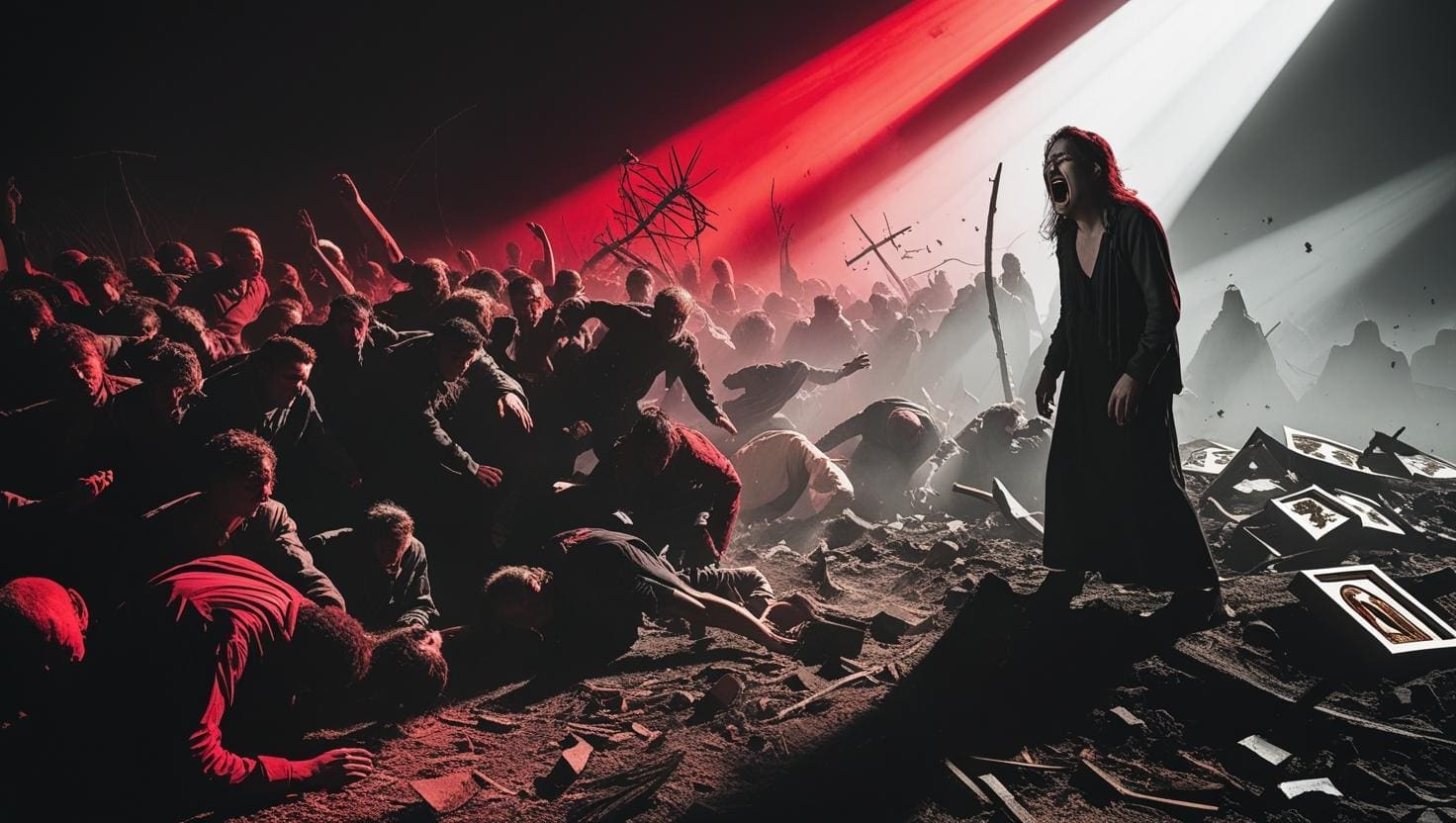


A Guitar Cover Guide for Iron Maiden – The Ides of March
Creating a guitar cover of The Ides of March is a strong way to pay tribute to early heavy metal while improving core rhythm guitar skills. Performed by Iron Maiden, this instrumental track opens the Killers album with a dark, marching intensity.
Unlike many Iron Maiden songs, this piece relies heavily on rhythm guitar rather than lead lines. Because there are no vocals, timing and consistency are critical. Every note must feel deliberate and controlled, which makes this song an excellent practice and performance choice.
Tone and Gear Considerations
Choosing the right tone is essential for an authentic guitar cover. The sound should be bold, mid-focused, and slightly aggressive without becoming muddy. Classic metal tones work best when clarity is prioritized over heavy distortion.
Element |
Recommended Setting |
|---|---|
Guitar |
Humbucker-equipped electric |
Gain |
Medium (clean but aggressive) |
EQ |
Strong mids, balanced lows |
Effects |
Light reverb or room ambience |
A simple setup can still deliver professional results if the tone is dialed in carefully.
/html
Get your tablatures here —>Ides of March_ IronMaiden_Tab Guitars
Technique and Performance Tips
The main technical challenge is maintaining a steady, marching rhythm. Practicing with a metronome or drum track helps build discipline. Palm muting and consistent picking are key to keeping the song tight and powerful. The harmony and lead parts, are per standard a challenge to pickup on.
Having listened to Iron Maiden long before I ever picked up a guitar, the twin-lead approach of Dave Murray and Adrian Smith is deeply ingrained in how I hear and approach melodies. Their harmony work didn’t just influence my playing. It shaped my internal musical reference point. It was so metal, even tyhough I did not understand what that term meant when I first heard Iron Maiden back in 1984 – I was onlyh 10 years old at the time!
My progression and learnings
When learning or performing Iron Maiden material, my ear naturally gravitates toward their phrasing, note choices, and the way they weave harmony lines together. Over time, this has become a core part of my personal “note choice library” — a mental framework I consistently draw from when constructing leads or harmonized passages. That early exposure makes identifying and locking into their harmony parts feel intuitive, even when the execution itself remains technically demanding.
Adding Your Personal Style
While accuracy matters, small creative choices—such as double-tracking rhythm guitars or adjusting dynamics—can make your cover stand out without disrespecting the original.
For more background on the band’s history and sound, visit the official Iron Maiden website: https://www.ironmaiden.com/
Frequently Asked Questions (FAQs)
Is The Ides of March suitable for beginners?
It’s best for beginners who already have basic rhythm control.
Does this song require lead guitar skills?
Yes, it does require some skill and practice. Practice controlling open strings from ringing out when playing melody and leads parts.
What tempo should I practice at?
Start slow and increase gradually to the original pace.
Can I record this cover at home?
Yes, a basic audio interface and DAW are sufficient.
Should I match the original tone exactly?
Accuracy is good, but personal tone choices are acceptable. Check out Dave Murray’s and Adrian-Smith guitar and amp choices here. YOu’ll need some Marshall power to dial in Iron Maiden’s classic God like killer tone in Ides of March.
Is this song good for live performances?
Yes, if you put in the work, it can be done!