

Metal guitar can sound intimidating from the outside. Fast hands. Loud amps. Walls of distortion. But at its core, metal guitar is built on the same fundamentals as any other style. What makes it different is how those basics are pushed, sharpened, and combined.
This article walks through metal guitar from the ground up. No shortcuts. No flashy tricks before you’re ready. Just the skills that actually make you sound heavy, tight, and confident.
1. Start with the Right Foundations
Before worrying about speed or gear, you need control.
Posture and Pick Grip
Sit or stand in a way that lets both hands move freely. Your wrist should stay relaxed, not locked. Hold the pick firmly enough that it won’t fly out, but loose enough that it can glide across the strings. If your hand feels tense, slow down and reset.
Fretting Hand Basics
Press the string just behind the fret, not on top of it. Use the tip of your finger, not the pad. This gives you cleaner notes and makes fast playing easier later.
Metal exposes mistakes fast. Clean fundamentals now save you years of frustration.
2. Learn the Core Metal Techniques

Master Metal Guitar from the Ground Up — Technique, Tone, Control
No spam. Only metal.
Learn metal guitar techniques, practical theory, and brutal tone shaping—delivered weekly. Join Guitar Pointers for lessons, gear insights, and exclusive content.

Metal guitar relies on a small set of techniques used extremely well.
Power Chords
These are the backbone of metal rhythm guitar. Focus on:
-
Muting unused strings
-
Playing in time with a metronome
-
Keeping chords tight and aggressive, not sloppy
Palm Muting
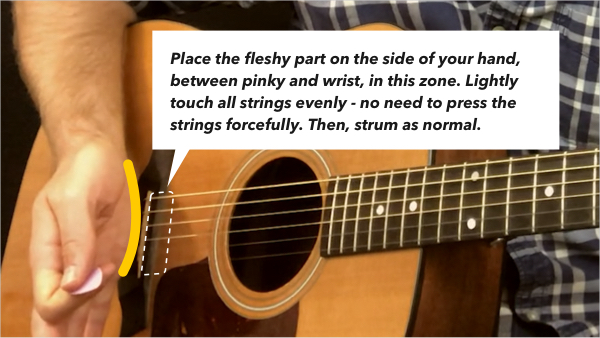
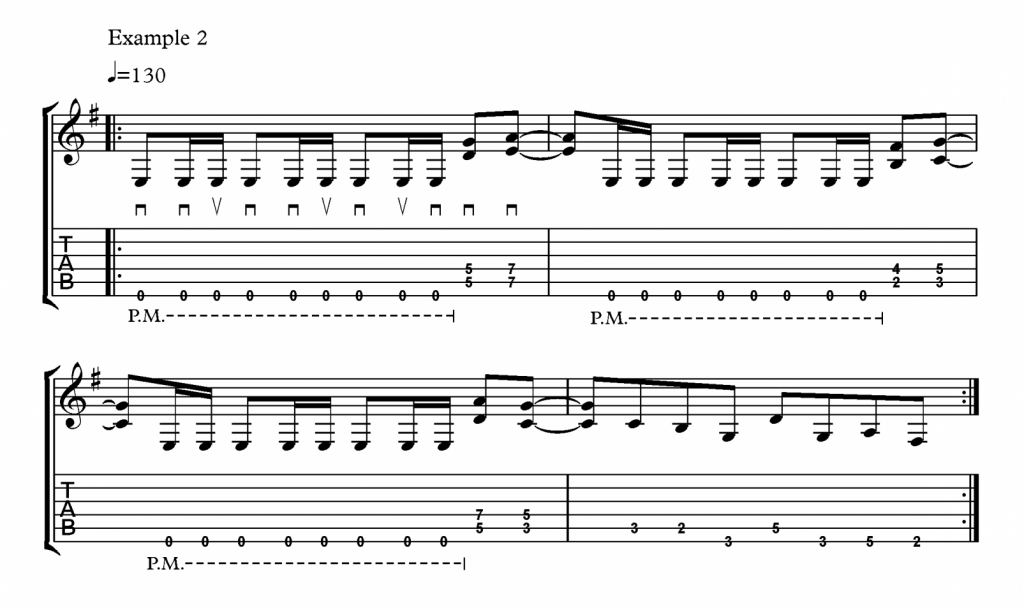
Rest the edge of your picking hand lightly near the bridge. Too far forward and the sound dies. Too far back and it’s not muted. Find the sweet spot where the notes sound chunky and controlled.
Alternate Picking
Down-up picking builds speed and precision. Start slow. Speed comes from accuracy, not forcing your hand to move faster.
3. Rhythm Comes Before Speed

Tight corresponding speed between musicians is essential to mastering a band’s rhythm skills and cultivating a sense of rhythm. This is true whenever and wherever the occasion calls for it. Some of my most revered groups and bands ever—Slayer, Megadeth, Iron Maiden, Children of Bodom—were all powerhouses in their own right. Tight in rhythm and symmetry, in chaos and harmony, the heavy riffs they forged made history.

Fast metal sounds bad if the rhythm isn’t locked in.
Practice with a metronome every day. Even five minutes helps. Play simple riffs and focus on:
-
Hitting notes exactly on the beat
-
Keeping palm mutes consistent
-
Making rests as tight as notes
If you can play slow riffs perfectly, fast riffs will come naturally.
4. Scales That Actually Matter in Metal
You don’t need dozens of scales. Start with a few that show up everywhere.
-
Minor scale – dark, emotional, versatile
-
Minor pentatonic – great for leads and phrasing
-
Phrygian and Phrygian dominant – classic metal tension
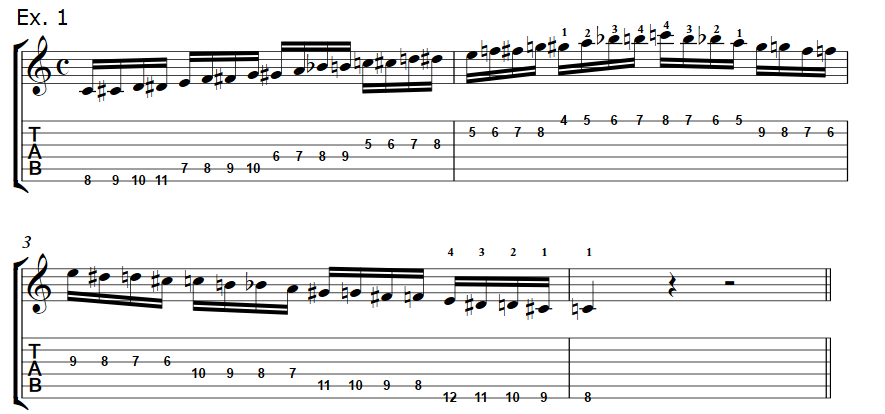
Learn these across the neck, not just in one box. Practice connecting positions so your solos don’t sound stuck in one place.
5. Developing Metal Lead Guitar

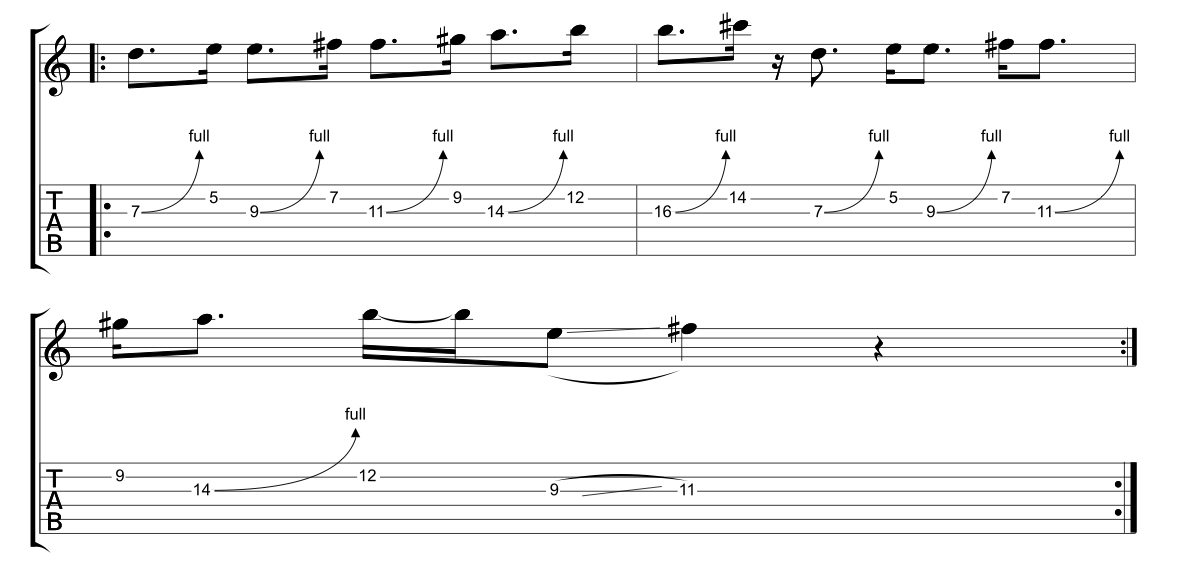
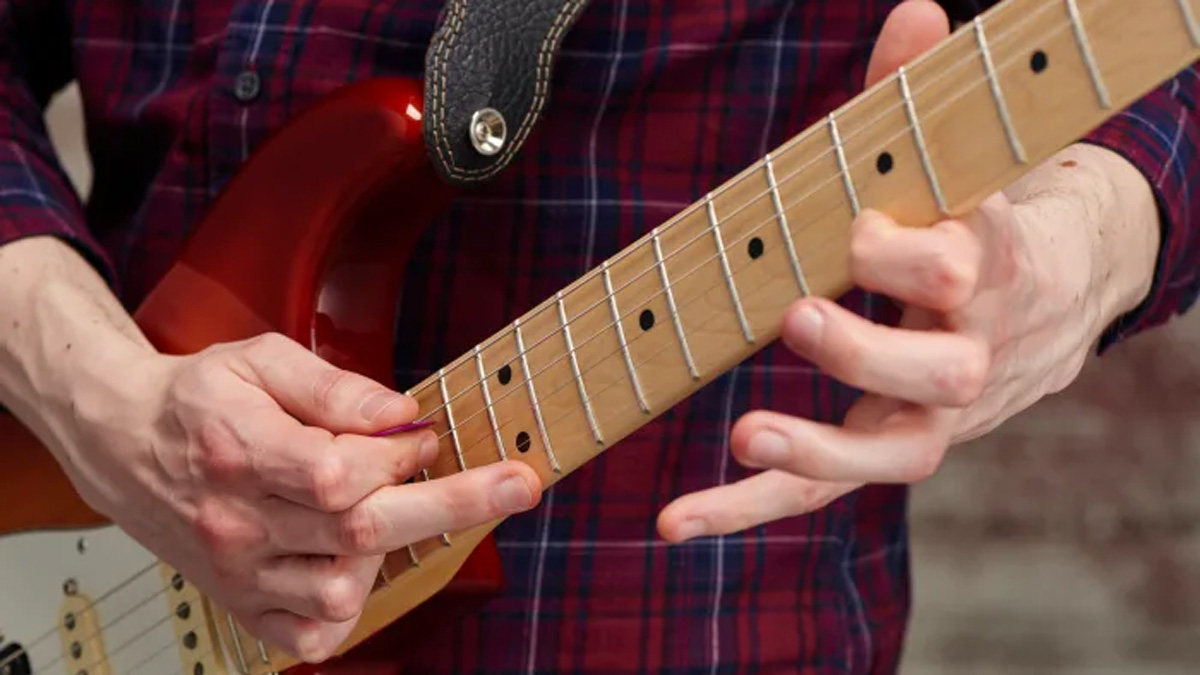
Lead guitar isn’t just speed. It’s expression.
Bending and Vibrato
A slow, controlled bend with strong vibrato sounds heavier than a sloppy fast run. Work on bending to pitch and keeping vibrato even.
Legato
Hammer-ons and pull-offs let you play smoother lines with less picking. Keep notes even in volume so nothing disappears.
Tapping (Later, Not First)
Tapping is a metal staple, but it should come after you’re solid at basic lead techniques. When you get there, focus on clarity, not flash.
6. Tone Matters, but Hands Matter More
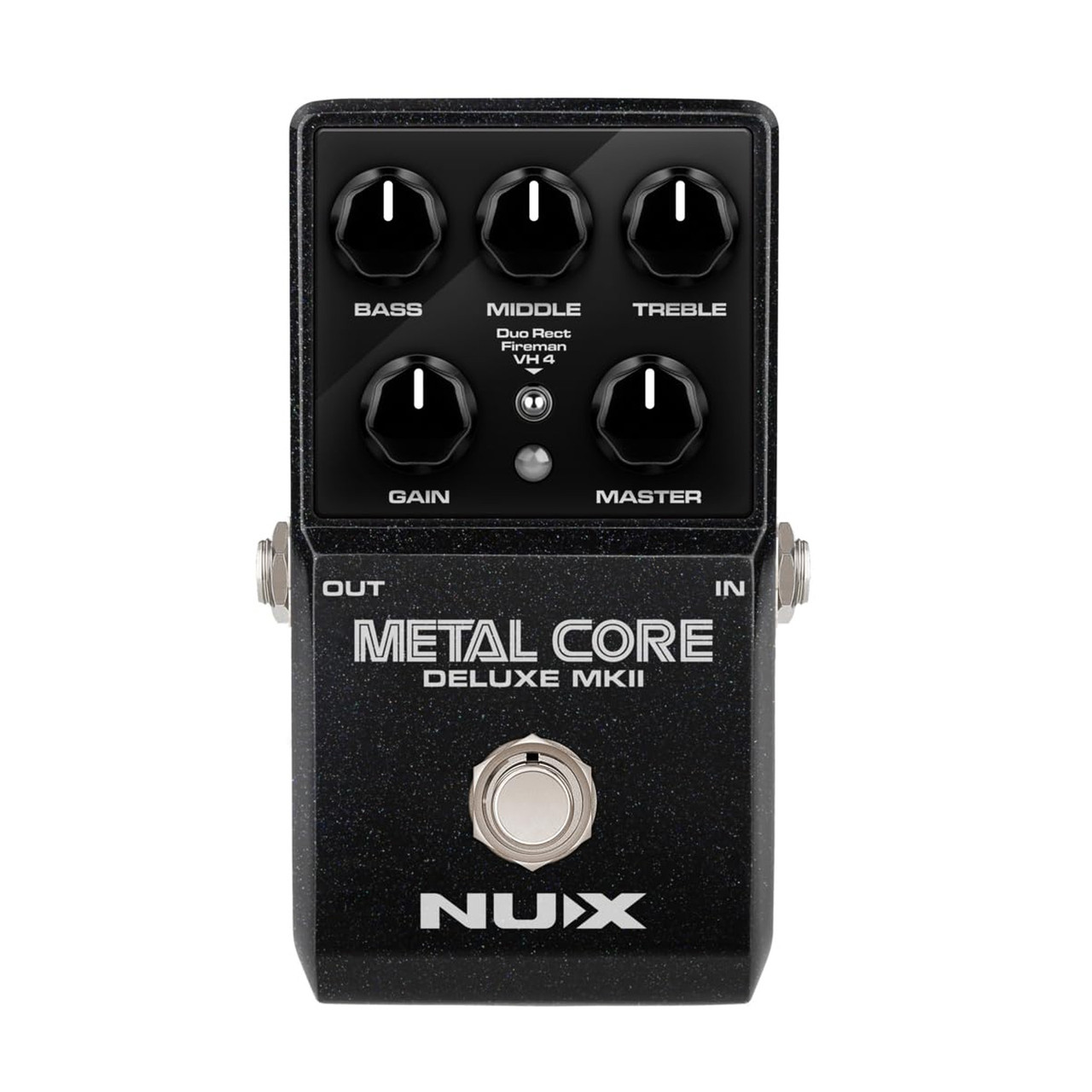
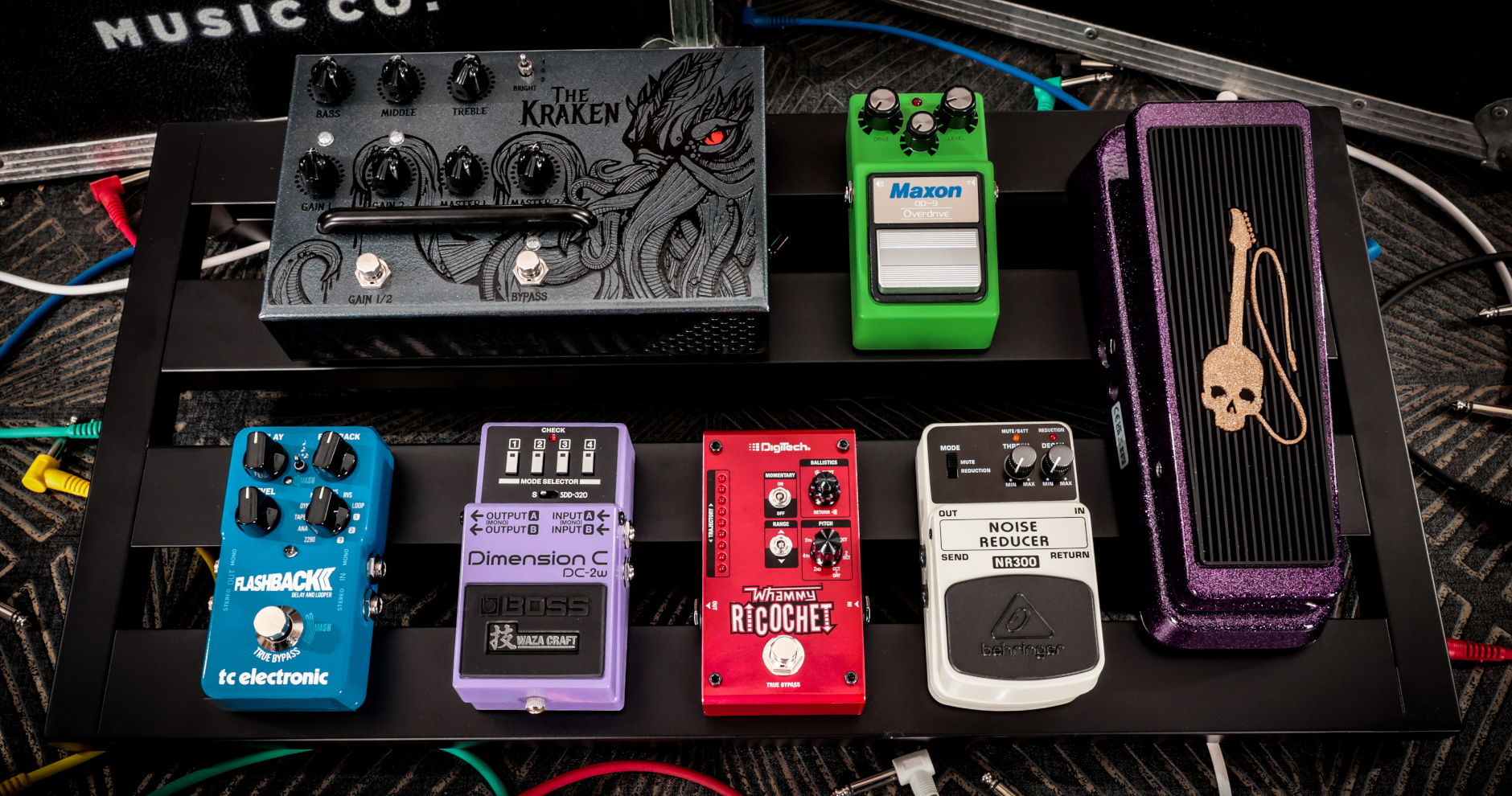
A high-gain amp won’t fix bad technique. In fact, distortion makes mistakes louder.
Start with moderate gain. Let your hands do the work. As your muting and picking improve, you can add more gain without losing clarity.
Simple rule: if a riff sounds good, clean or lightly distorted, it will sound massive with full metal tone.
7. Practice Like a Metal Guitarist
Short, focused sessions beat long, unfocused ones.
A solid daily routine might look like:
-
5 minutes: warm-up exercises
-
10 minutes: rhythm riffs with a metronome
-
10 minutes: scale practice or lead technique
-
5 minutes: learning or refining a song
Track your progress. Record yourself sometimes. What feels tight often isn’t, and hearing it back helps more than guessing.
8. Learn Songs, Not Just Exercises
Exercises build skills. Songs teach you how those skills are used.
Pick metal songs slightly above your level. Break them into small sections. Don’t rush to full speed. Most professional-sounding metal is the result of patience, not talent.
Final Thoughts
Mastering metal guitar isn’t about being the fastest player in the room. It’s about control, timing, and tone. Build your foundation carefully, and everything else stacks on top of it.
If you stay consistent, focus on the basics, and play with intention, the heavy sound you’re chasing will come. And when it does, it’ll be yours, not borrowed from tricks or shortcuts.
